How do I get my business cited by ChatGPT or Google Gemini?
What is Remarketing and Why Should You Use It?
Have you ever noticed someone visit your website, look around, maybe even add something to their basket, and then leave without doing anything else? It happens to every business!
That’s where remarketing comes in.
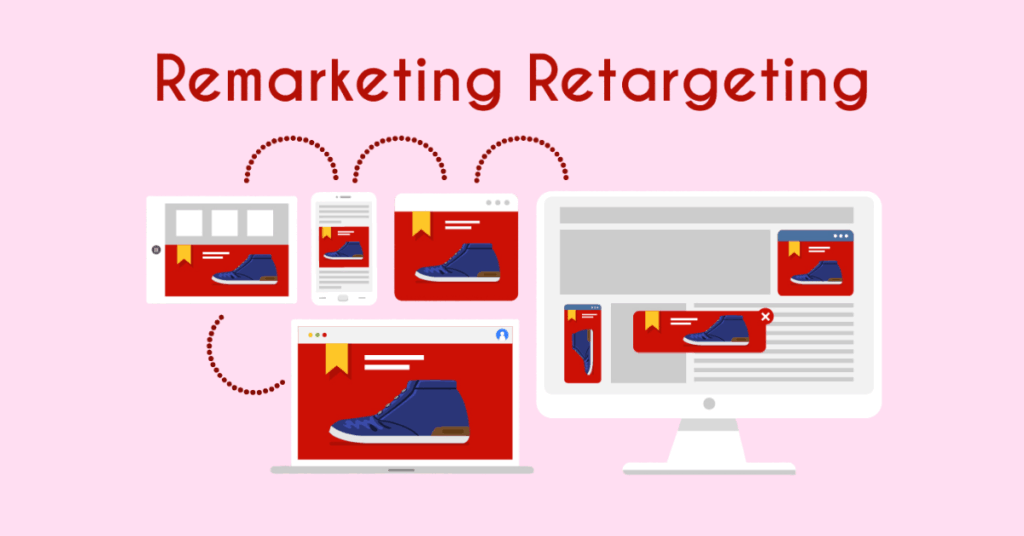
Remarketing is like giving those visitors a friendly wave and saying, “Hey, remember us? You liked what you saw!†It’s a clever way to remind people why they were interested in the first place and encourage them to come back, turning a quick visit into a real connection and maybe even a sale.
What is Remarketing?
Remarketing is a way to reach out to people who have already shown interest in your business. Maybe they visited your website, read one of your posts, or looked at a product but didn’t take the next step.
With remarketing, you can gently remind them about your business by showing them targeted ads or sending friendly emails that encourage them to return.
It’s really just a way of saying, “Hey, we’re still here when you’re ready!†It helps people remember you and feel more confident about choosing your brand.
How Does Remarketing Work?
Remarketing is a smart investment, and here’s why it deserves a place in your marketing plan:
Higher conversion rates: People who already know your business are more likely to take action than those discovering you for the first time.
Stronger brand recall: When people see your name regularly, they’re more likely to remember you when they’re ready to buy.
Better use of budget: You’re focusing on people who have already shown interest, so your money works harder for you.
More personalised marketing: You can show ads or send emails that match what each person has looked at or liked before.
When you combine remarketing with great content and a solid paid advertising strategy, it can be the key to turning awareness into real results.
Remarketing on Your Website
Your website is one of the most powerful places to use remarketing. When someone visits your site, a small piece of code called a tracking pixel can remember that visit. This doesn’t collect personal information, but it helps you understand which pages people looked at and what they were interested in.
With this information, you can show those visitors ads later that match what they viewed. For example, if someone looked at a product or service but didn’t take action, you can show them a reminder ad or a special offer when they visit other websites or social media platforms.
You can also use on-site remarketing to keep people engaged before they leave. This might include:
Exit pop-ups offering a discount or free resource before someone clicks away.
Personalised messages that suggest related products or services based on what they viewed.
Abandoned cart reminders that encourage users to finish their purchase.
Remarketing on your website helps you stay connected with visitors, remind them of what they liked, and gently guide them back when they’re ready to take the next step.
How to Use Social Media for Remarketing
Every major social media platform gives you tools to reconnect with people who have already shown interest in your business. Platforms like Facebook, Instagram, TikTok, LinkedIn, and Google all make it easy to reach past visitors or followers with targeted messages.
Here’s how it works:
Facebook and Instagram: You can show ads to people who have visited your website, watched your videos, or interacted with your posts. For example, if someone looked at a product but didn’t buy it, they might later see an ad reminding them to come back.
TikTok: TikTok’s remarketing tools let you reach people who have viewed your videos or clicked on your website link. You can share fun, short clips that encourage them to return or learn more.
Google: Through Google Ads, you can target users who’ve searched for your business or visited your website. Your ads can appear across Google Search, YouTube, or other websites they visit.
LinkedIn: Perfect for B2B businesses, LinkedIn lets you reconnect with people who have visited your company page, engaged with your posts, or clicked on your ads.
You can also combine these efforts withemail marketingby sending gentle reminders or special offers to people who have already interacted with your brand.
When all of these channels work together, remarketing becomes a powerful way to stay visible, build trust, and turn interest into action.
Google Ads and Email: A Powerful Duo
With Google Ads remarketing, you can remind people about your business as they browse other websites. Thanks to Google’s Display Partners, your ads can appear on thousands of popular sites, apps, and even YouTube. This helps you stay visible and keeps your brand fresh in people’s minds.
Email remarketing is more personal. It lets you follow up with people who joined your mailing list, added items to their basket, or downloaded a free guide. You can send friendly reminders, updates, or special offers to encourage them to come back.
When you use Google Ads and email remarketing together, they work as a team. People see your brand in more than one place, your message feels more familiar, and they are more likely to return and take action.
Tips for successful remarketing
Want to get the best results from your remarketing? Here are a few simple tips:
1. Know your audience: Group people based on what they did on your website. For example, someone who looked at a service page might need a different message than someone who left items in their basket.
2. Keep it simple: Focus on one clear action you want people to take, like “Get a Quote†or “Book a Call.â€
3. Don’t overdo it: Showing too many ads can feel annoying. Find a good balance so people see your brand without feeling overwhelmed.
4. Check your results: Keep an eye on how your ads are performing. Make small changes to improve what works and fix what doesn’t.
Ready to Reconnect with Your Audience?
Remarketing is a smart and affordable way to reach people who have already shown interest in your business. With targeted ads and personalised emails, you can remind them about your brand and encourage them to come back when they’re ready to take the next step.
You can create a remarketing strategy that fits your goals by combining smart data with creative ideas. This approach helps bring your audience back, build trust, and turn interest into action.
Get in touch today to find out how remarketing can help you re-engage website visitors and boost your results.
The Rise of Social Commerce: From Instagram Shops to TikTok Checkout
Social commerce has emerged as one of the most significant shifts in marketing over the past few years. Platforms like Instagram, TikTok, Pinterest, and even YouTube are transforming how brands connect with their audiences, turning engagement into conversions. For brands, this is more than just another sales channel. It is an entirely new way to sell.
How social commerce is redefining the buying journey
In the early days of social media, the aim was simple: to build awareness, grow followers and engage your audience. Sales typically occurred elsewhere, usually on a website or marketplace.
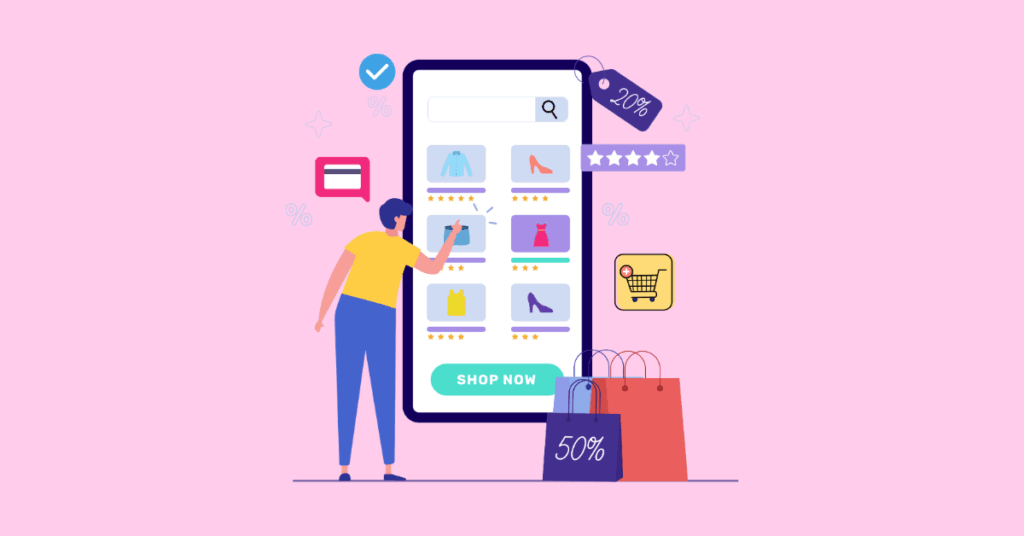
Today, that separation no longer exists. Social commerce enables the entire customer journey to unfold within a single platform. Discovery, consideration and purchase now sit side by side. This seamless experience reduces friction and increases conversions, particularly for younger audiences who value convenience and immediacy.
From discovery to purchase: the role of in-platform shopping
Social commerce makes shopping quick and seamless directly within social media apps.
Example: Spot a product in a Reel → tap the tag → reach checkout within seconds.
Key platforms:
Instagram Shops
TikTok Checkout
Pinterest’s shoppable Pins
User experience:
Browse, decide, and pay without leaving the app
Keeps attention and spending inside the platform
For brands:
Rethink content strategy
Treat every post, video, and story as a conversion opportunity
Move beyond entertainment, create content that drives sales and engagement
Why Instagram shops were just the beginning
When Instagram Shops first arrived, it was a breakthrough. Brands can finally build a digital storefront within one of the most visually appealing platforms on the internet. But as users became more sophisticated, expectations rose quickly.
Shoppers now expect a personalised, fast and authentic experience. They want influencer collaborations that feel genuine, discovery that feels natural, and checkout that feels seamless.
Instagram set the foundation, but TikTok has completely changed the game.
The surge of TikTok checkout and what it means for brands
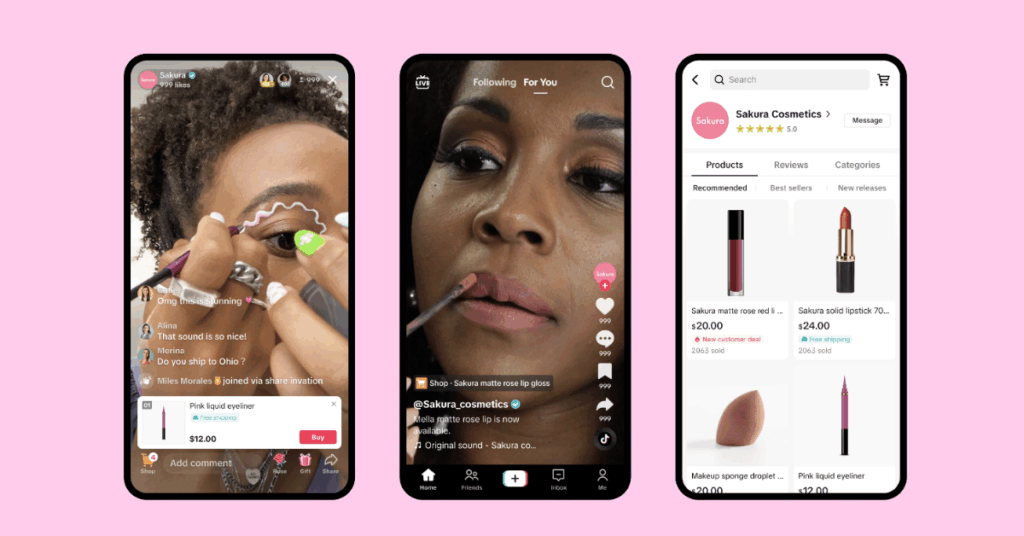
TikTok’s transformation from an entertainment platform into a serious player in online retail has been remarkable. Its built-in checkout feature allows users to discover products, add them to their basket and complete a purchase without ever leaving the app, all while being inspired by creators they already know and trust.
The real magic lies in TikTok’s algorithm. It curates a continuous feed of products matched to each user’s interests, turning the “For You†page into a highly personalised shopping experience. For brands, this represents a goldmine of intent-driven engagement and untapped sales potential.
Brands that make the most of TikTok’s native shopping tools can reach audiences who are not just scrolling for entertainment but actively ready to buy.
Bridging content, commerce and community: the new trifecta
The most successful social commerce strategies combine three key elements: engaging content, seamless commerce, and a genuine community.
Creators play a vital role here. Their ability to blend storytelling with subtle product integration builds trust and purchase intent. When a creator unboxes a product or demonstrates it live, the experience feels personal and authentic, and authenticity is what sells.
Community amplifies this effect. Encouraging user-generated content, responding to comments and running live shopping events help create a sense of belonging that strengthens brand loyalty.
Data, targeting and user experience: the mechanics behind social commerce success
Behind every great social shop is data.
Understanding which products perform best on which platforms, when users are most active and which formats drive the highest conversions is crucial. Data should guide creative direction, influencer selection and ad spend.
User experience matters just as much. Poor tagging, broken links or a clunky checkout can ruin the customer journey in seconds. A clean, intuitive shopping process helps keep users engaged from start to finish.
Challenges and pitfalls in social commerce
Social commerce offers big opportunities, but it also comes with challenges.
Platform differences:
Each platform has unique algorithms, policies, and technical quirks.
Managing stock and pricing across multiple storefronts requires careful coordination and synchronization.
Even small errors can lead to customer frustration.
Trust and credibility:
Some users are still cautious about buying directly through social platforms.
Strong branding and visible social proof help build confidence.
Reliable customer support is essential for maintaining trust.
How brands can integrate social commerce into their marketing strategy
Integrating social commerce effectively starts with a strategy. Brands should define clear goals, whether that is driving direct sales, boosting awareness or nurturing a community. From there, the content plan, platform choice and budget allocation should all align with those objectives.
Partnerships with creators can also supercharge results. The key is to work with voices that share your values and genuinely use your products. Authentic advocacy consistently outperforms polished promotion.
Measuring success: KPIs and metrics for social commerce efforts
To prove ROI, marketers need to track the right metrics. Engagement rate, click-throughs and follower growth are essential, but they only tell part of the story.
The real indicators of success are conversions, repeat purchases and customer lifetime value. Monitoring these alongside audience insights allows brands to refine their social commerce strategy continuously.
Next steps: how to act now and stay ahead of the curve
Social commerce is the future of digital retail, not just a passing trend.
Early investment gives brands a strong advantage as new features and platforms evolve.
Next steps for brands:
Treat social commerce as a core marketing strategy, not an add-on.
Identify where your audience spends their time.
Streamline the in-app shopping experience.
Create content that is both entertaining and shoppable.
Our role:
We know how to make social commerce work for your business.
We help brands turn engagement into revenue.
Our services include audience research, creative planning, campaign management, and optimisation.
If you are ready to turn your social channels into a source of real revenue, contact our team today to start building a strategy that delivers results.
Edits by Instagram
Everything You Need to Know About Edits by Instagram: The New Instagram Editing App for Creators
Meta is shaking things up with the launch of Edits by Instagram, a brand-new video editing app designed to simplify the creative process for mobile video creators. As Instagram’s latest move into the video editing space, Instagram’s new editing app offers a powerful alternative to existing tools like CapCut, making it easier than ever for creators and small businesses to produce high-quality content directly from their phones.
Here’s everything you need to know about Edits by Instagram, how it compares to other tools, and how you can use it to grow your business online.
What is Edits by Instagram?
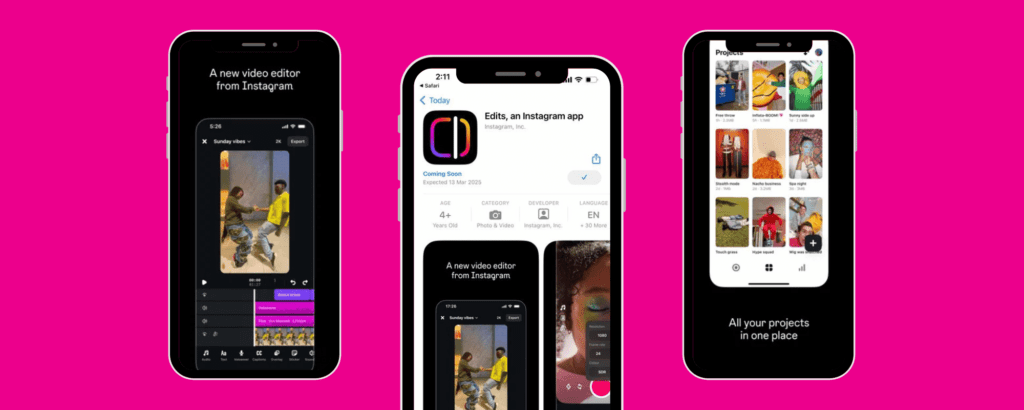
In February 2025, Meta introduced Edits by Instagram, an all-in-one mobile video editing app that allows creators to craft professional-quality videos without leaving their phones. Promising a comprehensive creative toolkit, the Instagram new editing app includes all the essential features you need to create and optimise videos, from trimming and cutting to applying creative effects and tracking performance.
Adam Mosseri, head of Instagram, shared that Edits by Instagram isn’t just another video editor—it’s a complete creative suite for mobile creators. Some of the standout features include:
Standard Video Editing Tools Trim, cut, and enhance your videos for professional-quality content.
Advanced Camera Capabilities Create higher-quality videos with the in-app camera, giving your footage a polished, professional look.
Inspiration Tab Find trending audio and video ideas to inspire your next project, helping you stay ahead of the curve.
Draft Sharing and Collaboration Save your work as drafts and share them with others for feedback or collaboration.
Actionable Insights After sharing your videos on Instagram, gain detailed insights into how your content is performing to refine your strategy.
Why Is Instagram’s New Editing App a Game-Changer?
The release of Edits by Instagram couldn’t have come at a better time, especially given the recent challenges with CapCut’s removal from major app stores. Meta has a proven track record of responding to market gaps, as seen with the launch of Instagram Reels following TikTok's ban in India, and now they’ve brought Edits by Instagram to the table. This app is a direct response to the demand for a more creator-friendly mobile editing tool and offers a powerful alternative to other mobile video editing apps.
Unlike some apps, Instagram’s new editing app focuses on allowing creators to craft content from scratch, without relying on pre-set templates. This makes Edits by Instagram ideal for small business owners and creators who want to produce unique, engaging video content that stands out on social media.
How Can Small Businesses Leverage Edits by Instagram to Grow?
As a small business, you know that video content is a powerful tool for engagement and brand awareness. With Edits by Instagram, small business owners now have access to an easy-to-use, professional-grade editing app to create high-quality videos for social media. Here are some ways you can use the Instagram new editing app to enhance your marketing efforts:
Create Engaging Social Media Content Use the app’s easy-to-use tools to create eye-catching Instagram Reels and short-form videos that resonate with your target audience.
Showcase Your Products or Services Highlight your products, services, or behind-the-scenes content with Instagram’s new editing app, making your business more relatable and trustworthy.
Collaborate with Your Team Share drafts with your marketing team or collaborators to get feedback and perfect your videos before posting them.
Stay on Top of Trends Use the app’s inspiration tab to discover the latest audio tracks, trends, and ideas. This can help you stay relevant and attract new followers.
Track Video Performance Edits by Instagram provides detailed insights that allow you to track how well your videos are performing, helping you refine your content strategy and get better results over time.
Let Smash Marketing Help You Leverage Edits by Instagram
We understand how important it is to use the right tools to boost your online presence. Edits by Instagram offers small businesses a streamlined, powerful platform to create professional video content that drives engagement and builds brand awareness.
Our team of experts is here to help you take full advantage of the Instagram new editing app and integrate it into your digital marketing strategy. From social media marketing to SEO and PPC, we specialise in helping businesses grow online. If you want to create videos that resonate with your audience and improve your digital presence, we’re here to guide you every step of the way.
Let’s chat today and explore how we can use tools like Edits by Instagram to help your business grow online!
What Are Google Ads and How Do They Work?
Google Ads (formerly known as Adwords) can increase your company's online visibility, generate enquiries, and boost engagement. They're also great for getting results fast if you are short on work.
Choosing the right campaign based on your goals will make all the difference when it comes to seeing the results you need in the shortest amount of time.
If you're asking 'What are google ads and how do they work', we've made a guide to understand what each type of Google Ad can do to help you better understand which one is right for you.
Overall, there are nine types of Google Ad Campaigns, each with its own unique set of features and benefits, but we will cover the main campaigns we recommend that you can easily set up and get started with on your own.
Search Campaign
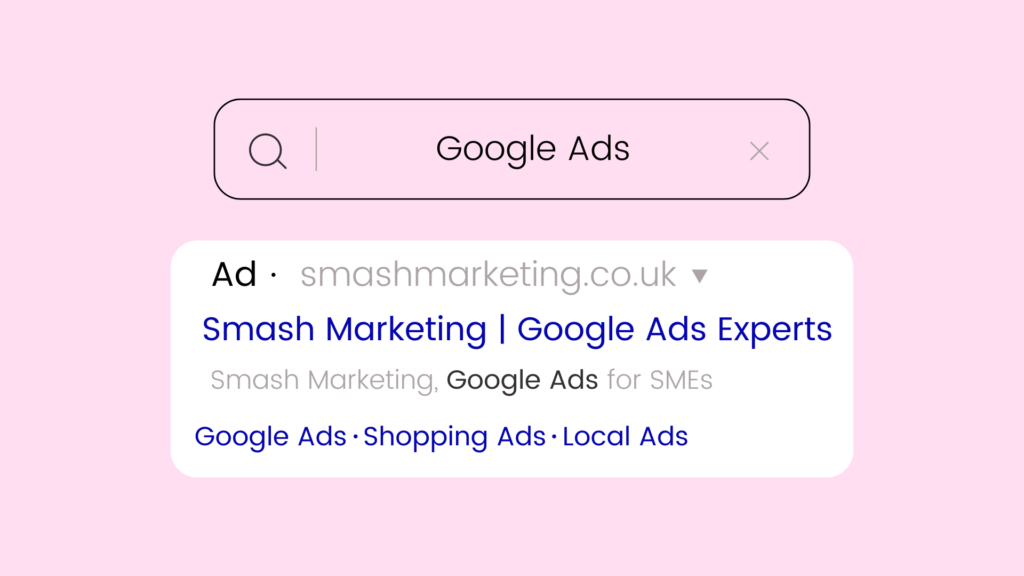
Imagine this: You run a local business providing essential services like emergency veterinary care. You're ready to help pet owners in their time of need, but here’s the challenge—people don’t know about your clinic yet! So, how do you ensure that pet owners find you when they're in a rush? That’s where Google’s Search Ads come into play.
These ads are like digital lifesavers that appear in Google’s search results when someone is desperately looking for a specific service. Picture them as helpful little assistants directing pet owners to your clinic at just the right time.
For example, when someone types “emergency vet near me†or “24-hour animal hospital,†the ads that appear at the top of the search results with the 'Sponsored' label are Search Ads. You’re essentially paying Google to make sure your clinic is one of the first options they see when they need urgent care for their pets.
Now, to ensure your Search Ads are shown to the right people, you’ll need to think about the keywords they’re using when they search. If you’re an emergency vet, keywords like “24-hour vet clinic,†“emergency vet services,†or “urgent pet care†would be key. These keywords help link your services with pet owners who need immediate assistance.
But, it’s not just about picking any keyword that comes to mind. Understanding the intent behind a search is crucial. Without that understanding, you might attract clicks from people looking for routine check-ups instead of those who need urgent care, which wastes your budget.
Enter Google’s Keyword Planner—a brilliant tool to help you pick the right keywords. It shows you how many searches each term gets per month and even suggests additional keywords that might be relevant to your business. This way, you can easily see whether people are more likely to search for “emergency vet†or “24/7 pet hospital†and adjust your campaign to ensure you're reaching those who are urgently looking for your services.
Is a Search Campaign Right For My Business?
Search campaigns can be incredibly effective for many types of businesses, but is it the right fit for yours? Let’s break it down so you can decide!
The success of a Search Campaign hinges on how well you can identify the right keywords. If you can easily come up with a list of terms that your potential customers might be searching for, you’re halfway there. Think about the specific words and phrases they’d type into Google to find a business like yours.
Firstly, if you’re in an industry where customers are looking for immediate services, such as “24-hour vet near me†then Search Ads make sure you’re there at the top of the results when they’re ready.
If your business relies on people searching for urgent or specific services, and you’re looking to increase visibility and attract highly targeted leads, a Search Campaign could be a great fit. It’s especially effective if you’re in a competitive industry where getting to the top of search results can make all the difference.
The second and most important thing to remember is that Search Campaigns require a LOT of maintenance. We conduct WEEKLY checks of all of our clients' campaigns to ensure that they are bidding on terms that are relevant to what they're offering. That means we help to ensure that their budget isn't being wasted on clicks that don't turn into actual paying customers.
This important step is what we call 'Search Term Checks'. Part of that process requires us going though all the terms that the ad has been displayed for, and we can tell google whether or not we want to be shown for it again.
However, if your budget is limited or you prefer a more organic, long-term strategy, you might want to consider Search Engine Optimisation strategies to build credibility using keywords that your target audience may be typing into Google.
Still need help to decide? Get in touch with our experts at Smash Marketing. We’ll walk you through the process and help you understand what strategy is right for your business.
Display Campaign
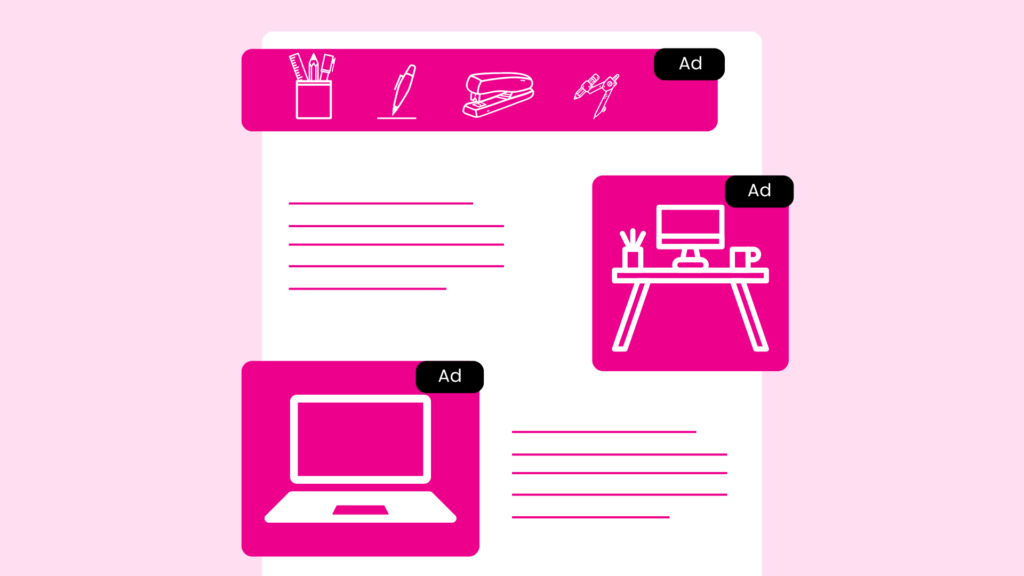
When it comes to online advertising, a Display Campaign is like the big, bold billboard of the digital world. But just because it’s flashy doesn’t mean it’s the right fit for every business. So, how do you know if a Display Campaign is the way to go? Let’s talk about it.
Unlike Search Ads, which target people actively looking for something, Display Ads are more about catching people’s attention as they browse the web. Think of it like this: you’re not just showing up when someone’s looking for you, you’re putting your brand in front of them, even if they weren’t thinking about you before.
They’re perfect for introducing new products and services or just letting the world know your business exists.
Display Ads are all about the visuals. If you’ve got a product or service that looks good on screen, a Display Campaign can really make it shine. Whether it’s a stunning product photo or an eye-catching graphic, Display Ads are your chance to make a visual impact.
For example, if you run a boutique hotel, sell trendy clothing, or offer luxurious spa treatments, Display Ads can showcase the beauty and appeal of what you offer. But if your business is less about aesthetics—say, you’re a tax accountant—Display Ads might be a harder sell. Not impossible, but you’ll need to get creative with your visuals!
One of the coolest things about Display Campaigns is retargeting. Ever noticed how after you visit a website, their ads seem to follow you around the internet? That’s retargeting in action! It’s a way to gently remind people who’ve shown interest in your business to come back and take another look.
If you’ve got an e-commerce store, for example, retargeting can be a game-changer. Let’s say someone browses your site but leaves without buying—Display Ads can pop up on other sites they visit, encouraging them to return and complete their purchase. It’s like giving your potential customers a little nudge in the right direction.
Is a Display Campaign Right For My Business?
Display Campaigns are ideal if you’re looking to build brand awareness, have visually appealing products or services, want to retarget potential customers, or have a clear and engaging message to share. They’re less about targeting specific searchers and more about spreading your message far and wide.
But remember, it’s all about the visuals! If your business shines in pictures and you’re ready to reach people where they’re spending their time online, then a Display Campaign might just be your ticket to success.
Display campaigns don't require the same amount of maintenance as search campaigns since the ad isn't really based on terms that people are typing into search, but more about showing up to someone who may have shown interest in a similar product or service in the past.
Display Ads are a powerful tool for getting noticed and staying top-of-mind with your audience. But if your business isn’t particularly visual or your message requires more context, you might want to consider other types of campaigns.
Shopping Campaign
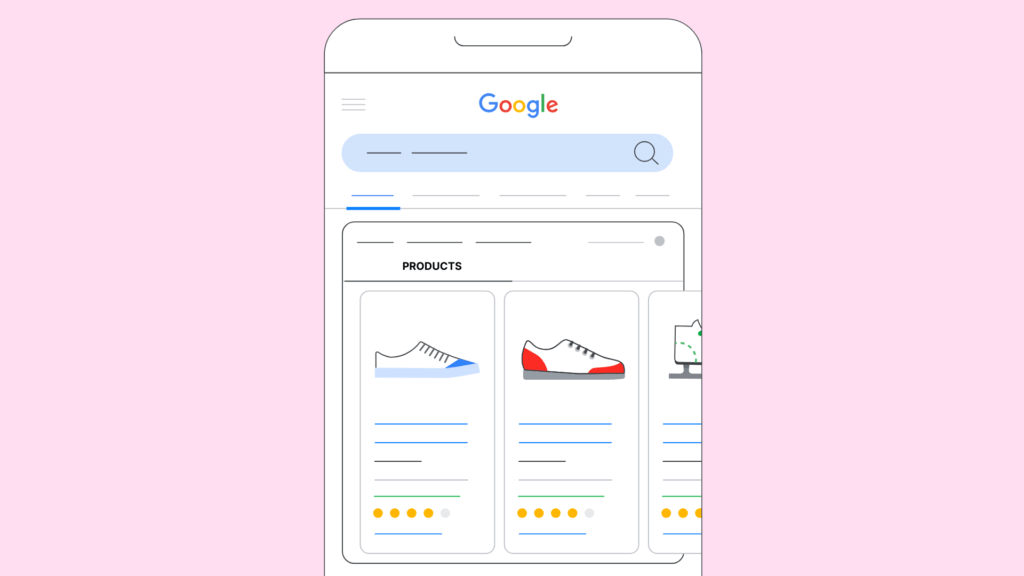
If you’ve ever searched for a product on Google and seen a row of images at the top of the search results, each with a picture, price, and store name, you’ve encountered Shopping Ads.
Shopping Ads are like the perfect shop window in the digital world—they showcase your products right where potential customers can see them, complete with images, prices, and even reviews. But how do you know if a Shopping Campaign is the right fit for your business? Let’s break it down
The most important question to ask yourself is whether you sell physical products that people can buy online. Shopping Ads are designed specifically for e-commerce businesses. They allow you to showcase your products directly in Google’s search results, complete with a picture, price, and other details.
If you run an online store selling anything from clothing to electronics to handmade crafts, Shopping Ads can be a game-changer. They make it easy for customers to find exactly what they’re looking for, and your product appears right there in front of them with all the key details.
But if your business offers services, digital products, or experiences (like consultations or online courses), Shopping Ads might not be the best fit. They’re really built for showcasing physical items that people can buy and have delivered to their door.
Is a Shopping Campaign Right For My Business?
To run Shopping Ads, you’ll need to have an e-commerce website where customers can browse your products and make purchases. Google pulls information from your website and your product feed in Google Merchant Center to create Shopping Ads, so having a well-organised online store is crucial. If you’re still in the process of setting up your online store or don’t have one at all, you might need to get that sorted before diving into Shopping Ads.
However, if you don’t sell physical products, aren’t focused on direct sales, or don’t yet have an e-commerce site, you might want to explore other advertising options. Shopping Ads are a powerful tool, but only if they align with your business model and goals.
Local Service Ads
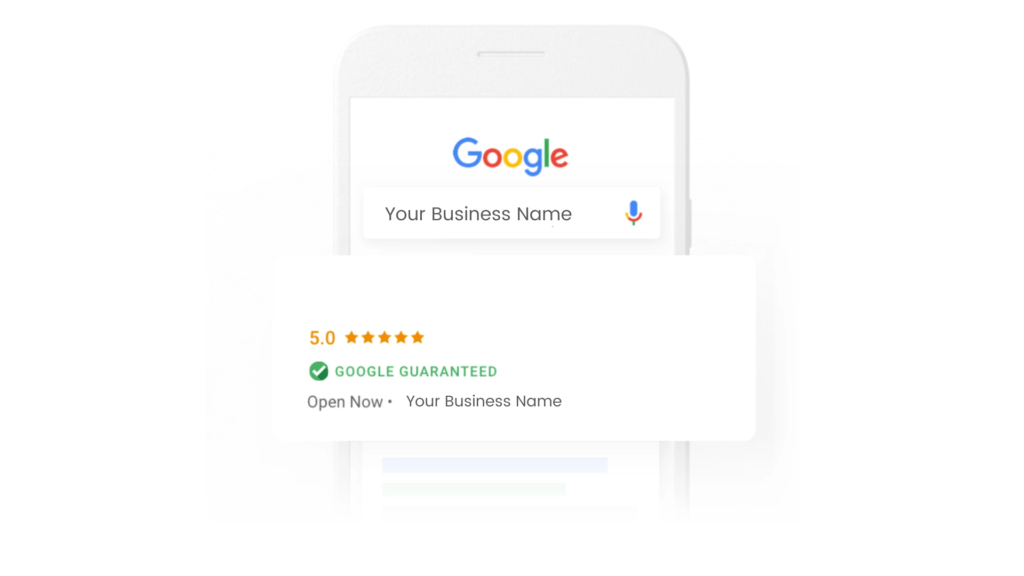
If you’re a local business looking to attract customers from your area, you might have heard about Local Service Ads, or what most people refer to as a 'Google Guarantee'.
Local Service Ads are a special type of Google ad designed specifically for service-based businesses that operate within a certain area. These ads appear at the very top of Google’s search results, even above regular text ads and organic listings. When someone searches for a service you offer—like “plumber near me†or “electrician in Norwichâ€â€”your business could show up in these prime spots.
What makes LSAs unique is that they’re highly focused on local customers who need services in their area right now. The ads show your business name, customer ratings, and contact information, making it easy for potential customers to reach out directly.
One of the big advantages of LSAs is that you only pay for leads that are directly relevant to your business. These leads come in the form of phone calls or messages from potential customers who’ve seen your ad and are interested in your services. This means you’re not just paying for clicks or impressions—you’re paying for actual, qualified leads.
Is 'Local Service' right for my business?
So, does your business need Local Service Ads?
If you’re a plumber, electrician, locksmith, house cleaner, or any other type of service provider, LSAs could be a game-changer for you. They’re not meant for businesses selling products or for businesses that aren’t tied to a specific location.
LSAs are all about connecting you with customers in your local area. If your business serves a specific city, town, or region, LSAs can help you reach people who are searching for services nearby. This hyper-local focus means you’re more likely to attract customers who are within your service area and ready to book.
What is a Performance Max Campaign?
Performance Max is one of Google’s latest and most advanced advertising campaign types. If you’re looking to supercharge your digital marketing efforts, understanding what Performance Max is and how it works can help you make the most of your advertising budget.
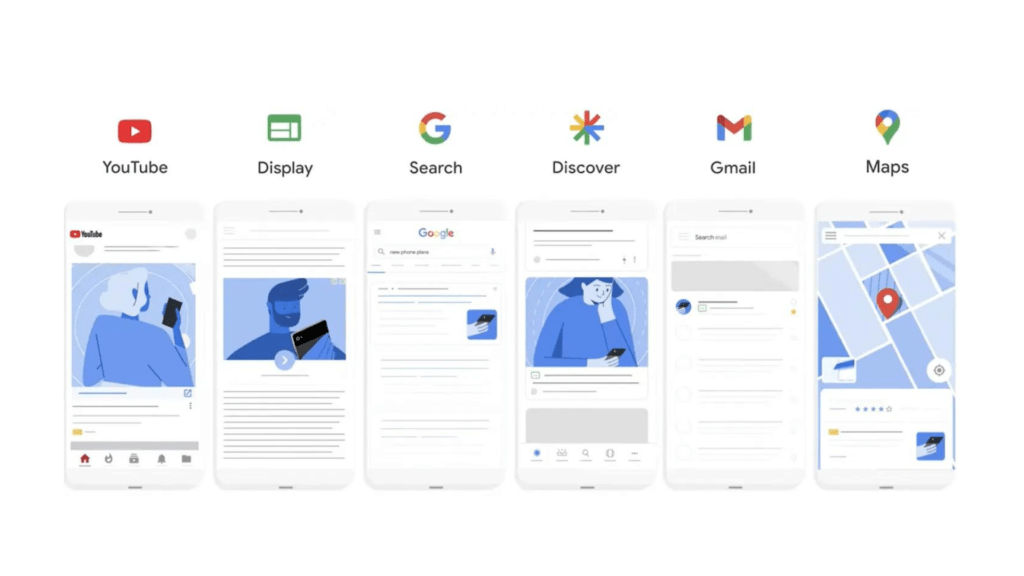
Performance Max is an all-in-one campaign type that allows advertisers to run ads across all of Google’s inventory from a single campaign. This includes Google Search, YouTube, Display Network, Discover, Gmail, and even Google Maps. Instead of creating separate campaigns for each platform, Performance Max lets you manage everything in one place.
Key Benefits of Performance Max
Full Coverage: Reach potential customers across all of Google’s networks without having to create multiple campaigns.
Efficiency: Save time by managing all of your Google Ads from one place, while Google’s automation does the heavy lifting of optimisation.
Better Results: Performance Max uses advanced machine learning to drive better performance by dynamically optimising bids, budgets, and ad placements.
Goal Alignment: Campaigns are optimised specifically for the objectives you set, whether it’s sales, leads, or brand awareness.
Data Insights: You get detailed insights into how your ads are performing across different platforms, helping you understand where your conversions are coming from.
Is a Performance Max Campaign Right For My Business?
Performance Max is particularly well-suited for businesses that want to:
Maximise Reach: If you want to reach customers across all of Google’s properties without managing multiple campaigns, Performance Max is ideal.
Leverage Automation: Businesses looking to tap into Google’s advanced automation and machine learning to optimise their ad performance will benefit greatly.
Achieve Specific Goals: If you have clear objectives like driving sales, acquiring leads, or boosting online engagement, Performance Max is designed to help you meet those goals efficiently.
However, if your business requires very granular control over individual platforms or prefers a hands-on approach to each campaign element, you might find the high level of automation in Performance Max limiting.
If you’re looking to simplify campaign management while maximising your reach and performance, it’s definitely worth considering. Whether you’re a small business or a large enterprise, Performance Max can help you achieve your marketing goals with minimal hassle and maximum impact.
If you need any guidance on which type of Google ad is right for your business, then please don't hesitate to reach out to our SMASHING team! With over 40+ years of experience, we have the know-how to help your business drive more traffic and generate more sales online.
Manage Cookie Consent
To provide the best experiences, we use technologies like cookies to store and/or access device information. Consenting to these technologies will allow us to process data such as browsing behaviour or unique IDs on this site. Not consenting or withdrawing consent, may adversely affect certain features and functions.
Functional
Always active
The technical storage or access is strictly necessary for the legitimate purpose of enabling the use of a specific service explicitly requested by the subscriber or user, or for the sole purpose of carrying out the transmission of a communication over an electronic communications network.
Preferences
The technical storage or access is necessary for the legitimate purpose of storing preferences that are not requested by the subscriber or user.
Statistics
The technical storage or access that is used exclusively for statistical purposes.The technical storage or access that is used exclusively for anonymous statistical purposes. Without a subpoena, voluntary compliance on the part of your Internet Service Provider, or additional records from a third party, information stored or retrieved for this purpose alone cannot usually be used to identify you.
Marketing
The technical storage or access is required to create user profiles to send advertising, or to track the user on a website or across several websites for similar marketing purposes.